February 19, 2026
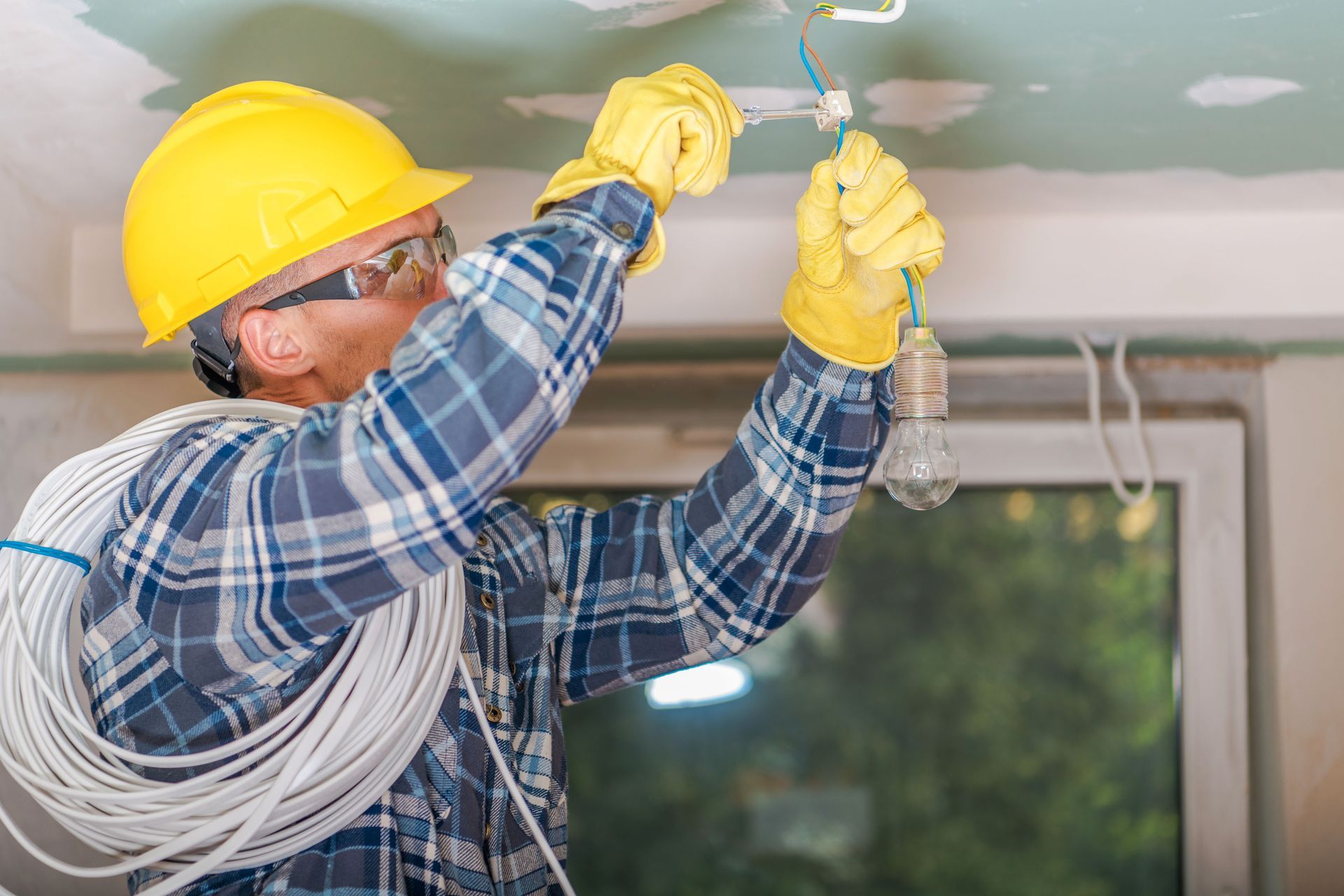
The modern home is a marvel of convenience, powered by a complex network of wires, breakers, and outlets that remain largely invisible until something goes wrong. For many homeowners, the urge to troubleshoot these systems independently is strong. The rise of digital tutorials and home improvement television has fostered a "do-it-yourself" culture that celebrates self-reliance. However, when it comes to the infrastructure that carries high-voltage current through your walls, the stakes are significantly higher than painting a room or hanging a shelf. Choosing between a personal weekend project and calling a residential electrician is a decision that impacts the safety, legality, and longevity of your property.
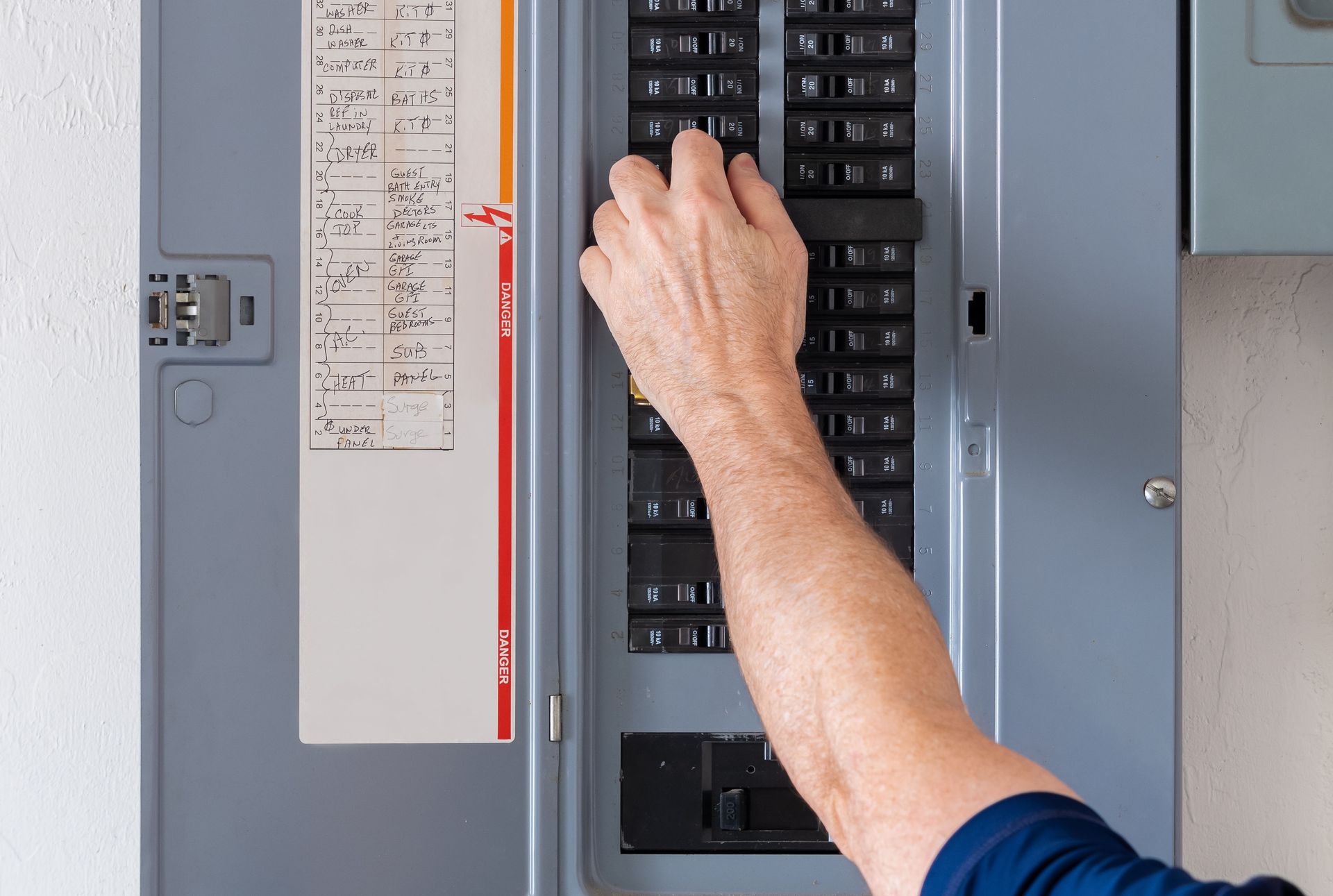
Navigating the delicate balance between saving money and ensuring household safety requires a clear understanding of where your skills end and professional expertise must begin. While changing a lightbulb or resetting a tripped breaker is well within the reach of most residents, the internal mechanics of a home’s power grid are unforgiving. Understanding the nuances of electrical systems is not just about making a light turn on; it is about ensuring the system can handle the load without generating heat that leads to catastrophe.
Assessing Personal Skill Levels
Before picking up a screwdriver, an honest self-assessment of technical knowledge is mandatory. Simple tasks, such as replacing a decorative faceplate or testing a smoke detector battery, offer low risk and high satisfaction. These minor aesthetic updates allow homeowners to personalize their space without interacting with the core energized components of the house. However, as soon as a project requires disconnecting wires or opening the main service panel, the boundary of DIY safety is crossed.
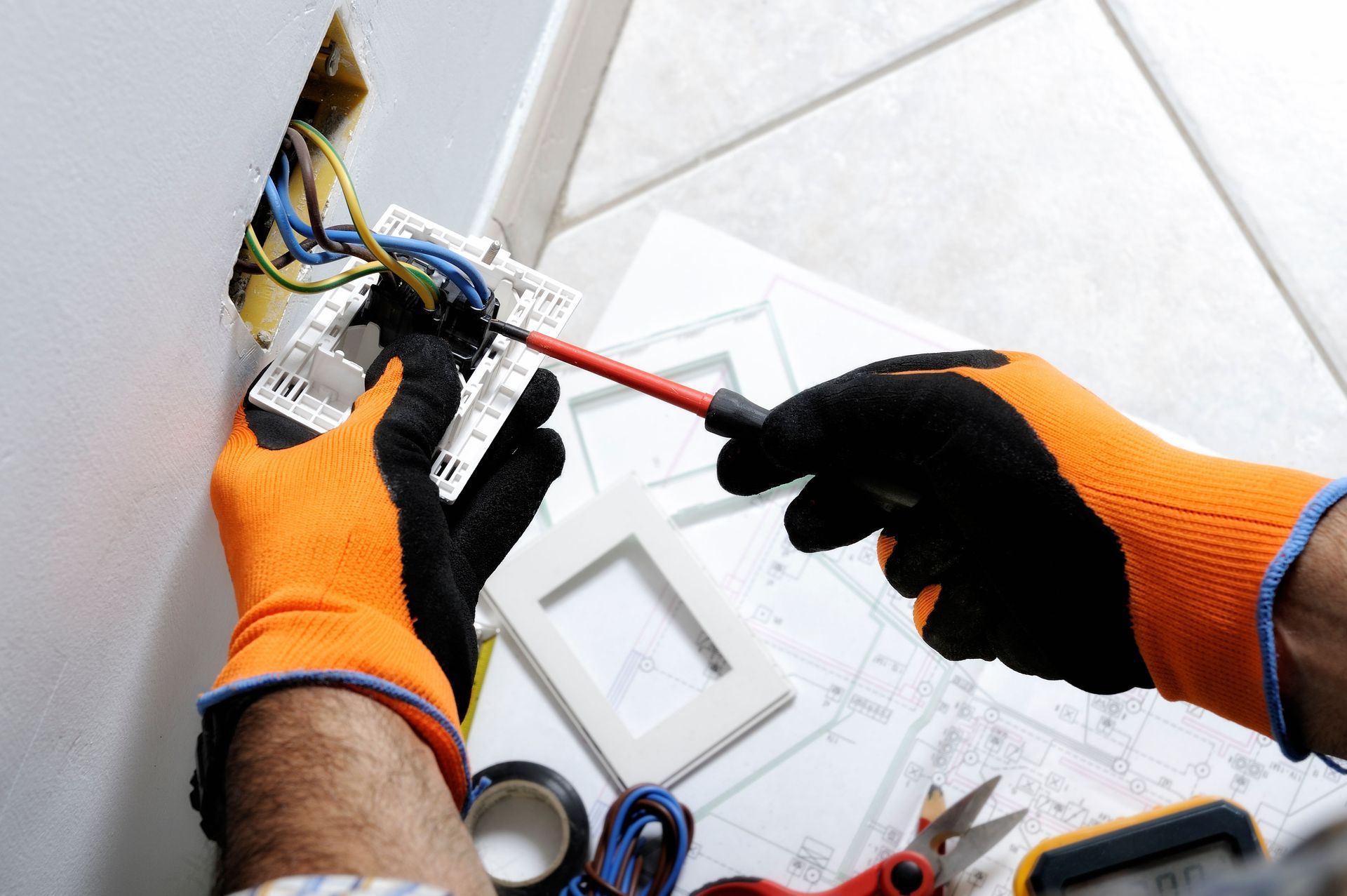
A residential electrician spends years in apprenticeships and technical schooling to understand the physics of electricity. They learn how to calculate load requirements and identify signs of wire degradation that the untrained eye would miss. If a homeowner lacks a fundamental understanding of grounding, polarity, or circuit pathways, the risk of accidental electrification or creating a "hot" chassis on an appliance increases exponentially. Respecting the complexity of the trade is the first step toward responsible homeownership.
Identifying Immediate Hazard Signs
Recognizing when a system is failing is crucial for preventing fires. Certain symptoms in a home’s electrical behavior serve as urgent sirens for professional intervention. If you notice a persistent burning smell without an obvious source, or if outlets feel warm to the touch, these are indicators of arcing or overloaded circuits buried within the architecture. Such issues cannot be solved with a YouTube tutorial; they require the diagnostic tools and thermal imaging often utilized by a residential electrician to pinpoint the heat source.
Flickering lights are another common symptom that homeowners often dismiss as a minor nuisance or a faulty bulb. While it could be a simple fix, consistent flickering across multiple rooms often points to a loose neutral wire or a failing transformer in the neighborhood grid. Furthermore, buzzing sounds emanating from behind the walls suggest that electricity is literally jumping through the air to find a path, a phenomenon known as arcing. This is a leading cause of residential fires and demands an immediate professional inspection to secure the premises.
Evaluating Project Complexity Risks
The scope of a project often dictates the necessity of a professional. Installing a new ceiling fan where a light fixture already exists might seem straightforward, but if the existing mounting box is not rated for the weight and vibration of a fan, the result can be a structural failure. Projects that involve adding new circuits, such as powering a heavy-duty kitchen appliance or a garage workshop, change the load profile of the entire home. A residential electrician ensures that these additions do not exceed the capacity of the main bus bar.
Outdoor projects carry an even higher risk profile due to the presence of moisture and the necessity of Ground Fault Circuit Interrupter (GFCI) protection. Wiring an outdoor kitchen or installing landscape lighting requires specialized conduit and weather-rated components that must meet stringent local codes. Mistakes made in exterior wiring can lead to electrified soil or water features, posing a lethal threat to pets and family members. By delegating these complex tasks to a professional, you ensure that the specialized requirements for outdoor safety are met with precision.
Ensuring Legal Code Compliance
Every municipality has a set of building codes designed to keep citizens safe. These regulations are not arbitrary suggestions; they are evolved standards based on decades of fire safety data. When a homeowner performs significant electrical work without a permit or a license, they are often unknowingly violating these codes. This can lead to massive headaches during the sale of a home, as home inspectors are trained to spot non-professional wiring. According to Zippia, there are over 202,726 residential electricians currently employed in the United States, and a primary part of their role is staying current on these ever-changing legal requirements.
Beyond the sale of the house, insurance companies often scrutinize the origins of a fire. If a claim is filed and the investigation reveals that the fire started in a junction box installed by an unlicensed individual, the insurance provider may have grounds to deny the claim. This financial catastrophe far outweighs the initial cost of hiring a residential electrician. Professional documentation of work provides a paper trail of safety that protects the homeowner’s equity and legal standing.
Prioritizing Long-Term Safety
The ultimate goal of any home improvement project should be the continued safety of the inhabitants. While a DIY fix might work today, its durability over several years is often questionable. Loose connections can vibrate over time, slowly loosening until they begin to arc. A residential electrician uses specific torque settings and high-quality materials that are designed to last for decades.
Investing in professional labor is an investment in "peace of mind." There is an intangible value in knowing that your family is sleeping in a home where the wires are not straining under the load and the breakers are calibrated to trip exactly when they should. A residential electrician serves as a guardian of the home’s most vital utility.
The distinction between a weekend hobby and a professional necessity is often found in the potential for consequence. While there are many areas of the home where trial and error are acceptable learning methods, the electrical system is not one of them. The complexity of modern power demands, the strictness of local building codes, and the inherent volatility of electricity make the role of a professional indispensable. By recognizing the limits of DIY capabilities and respecting the specialized training required to manage high-voltage systems, you protect your most valuable asset and those who live within it.
Whenever you face a flickering light, a warm outlet, or a major renovation, remember that expertise is the most important tool in the box. A residential electrician brings more than just tools to a job site; they bring a career's worth of safety knowledge and a commitment to excellence that keeps the lights on and the home secure.
If you are ready to ensure your home’s electrical system is safe, efficient, and up to code, reach out to the experts at Nordeast Electric. Whether you need a simple inspection or a full system upgrade, our team of dedicated professionals is here to provide the reliable service your home deserves.