July 18, 2026
Efficiently tucked away in a corner of your home, the electrical panel remains mostly out of sight and out of mind. However, it plays a crucial role in maintaining the smooth operation of your household energy systems. From powering daily appliances to protecting wiring from dangerous overloads, this central component supports comfort, safety, and convenience. Understanding how electrical panels work can help homeowners recognize when maintenance, repairs, or upgrades may be needed.
Understanding the Panel’s Purpose
The panel acts as the control center for electricity entering the home. Power from the utility line flows into the panel, where it is divided into separate circuits that serve different rooms, appliances, and systems. Circuit breakers are designed to shut off electricity when a circuit becomes overloaded or unsafe. This protects wiring, outlets, and connected devices from overheating or damage.
Inside the panel, key components include the main breaker, individual breakers, bus bars, and grounding connections. Each part works together to distribute power safely and consistently. Without this organized system, electricity would be much harder to control, increasing the risk of outages, equipment failure, and electrical hazards throughout the home.
The Evolution of Residential Power Distribution
Home electrical systems have evolved significantly since the late nineteenth century. Early systems relied heavily on fuses, which required manual replacement after overloads. Modern breaker technology introduced faster response times, improved convenience, and better protection against short circuits. This evolution has allowed homes to safely handle much larger energy demands than ever before.
As global electricity demand continues to grow, residential infrastructure must keep pace. According to the International Energy Agency, worldwide electricity demand increased by 4.3% in 2024. That rising demand highlights why electrical panels must remain efficient, durable, and capable of supporting increasingly complex home energy needs.
Why Panels Matter for Safety
One of the most important functions of electrical panels is preventing overloads. When too much current flows through a circuit, the breaker trips and cuts power before the situation becomes dangerous. This quick response can help prevent fires, damaged wiring, and appliance failure. For this reason, a properly functioning panel is one of the home’s most important safety features.
Panels also help isolate problems. If a light fixture, outlet, or appliance causes a fault, the affected breaker can shut down only that circuit instead of disrupting power throughout the entire house. This makes troubleshooting easier and limits the potential damage. Regular inspections by a qualified electrician can confirm that breakers, connections, and wiring remain in safe working condition.
Reducing Fire Hazards in the Home
Electrical fires remain a serious concern for homeowners, especially in older homes with outdated wiring. Faulty connections, overloaded circuits, and deteriorated components can generate excessive heat. When left unchecked, this heat can ignite nearby combustible materials and cause devastating damage.
Modern panels are built with stronger materials and improved breaker technology to reduce these risks. Arc fault detection and enhanced breaker sensitivity allow problems to be identified much faster. These improvements help reduce fire risks and provide greater peace of mind for homeowners.
Supporting Modern Household Demands
Today’s homes use far more electricity than homes built decades ago. Computers, smart devices, HVAC systems, kitchen appliances, entertainment equipment, and charging stations all place demands on household circuits. Older panels may not have enough capacity to support these needs safely. When a panel is outdated or overloaded, homeowners may notice flickering lights, warm outlets, or frequent breaker trips.
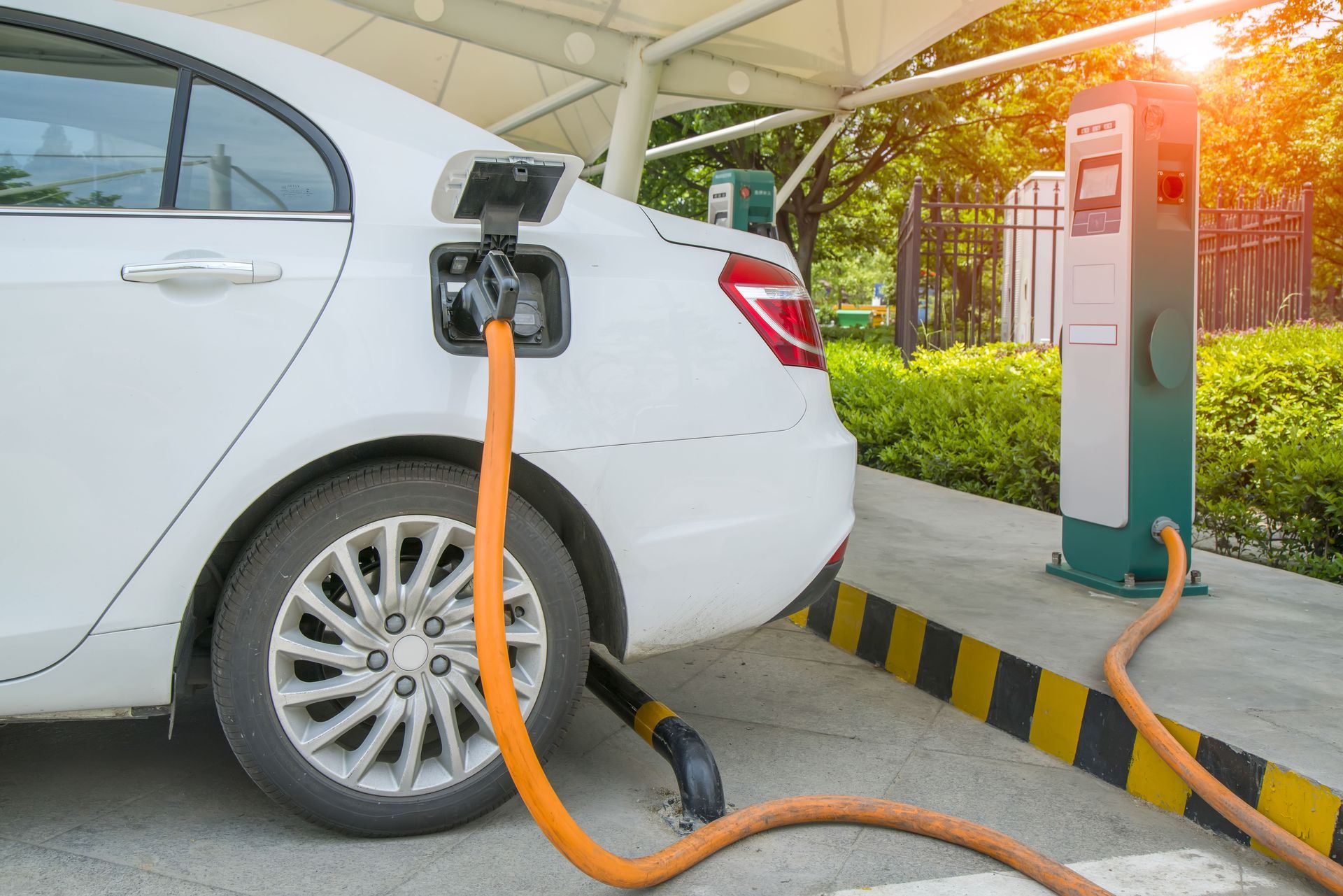
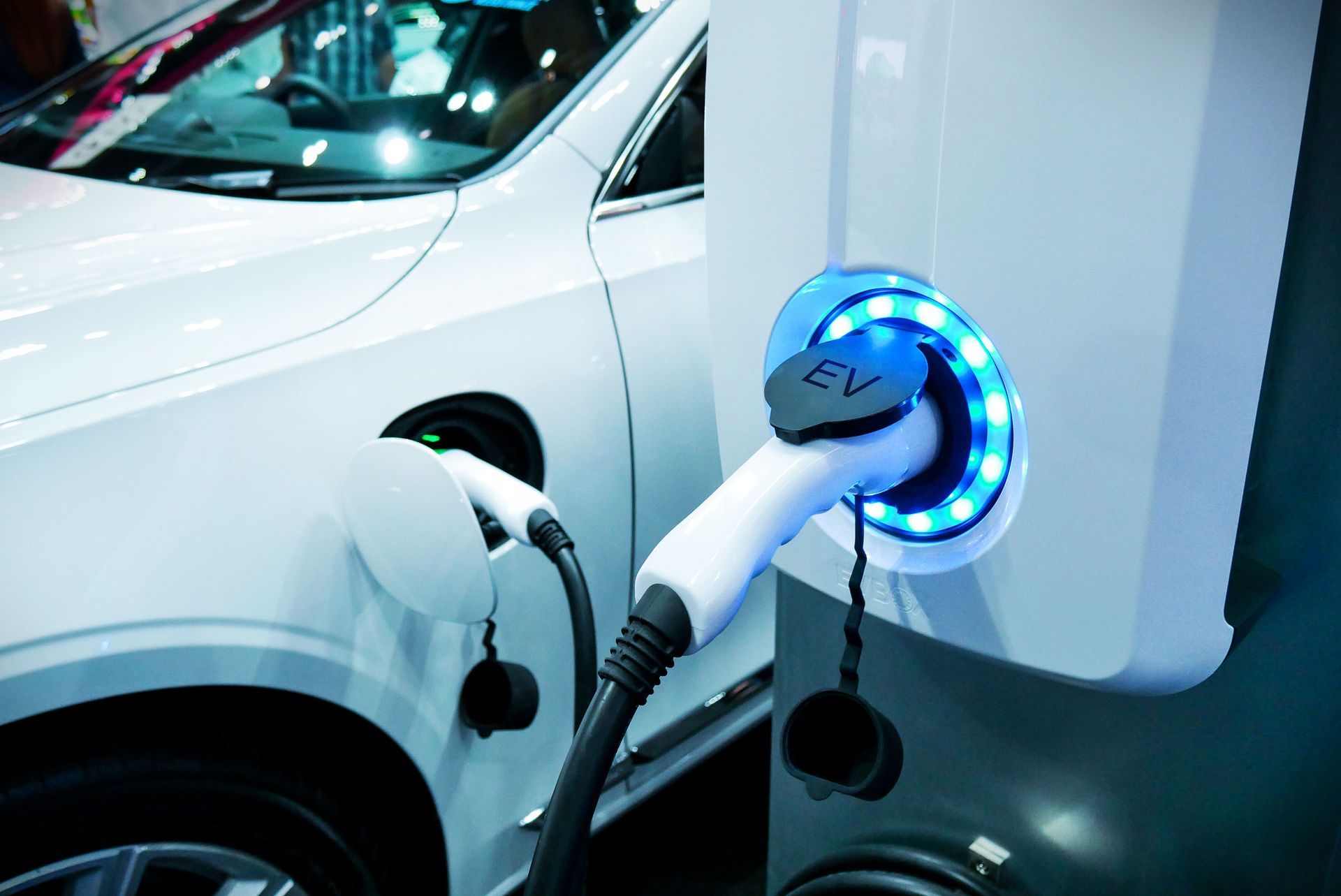
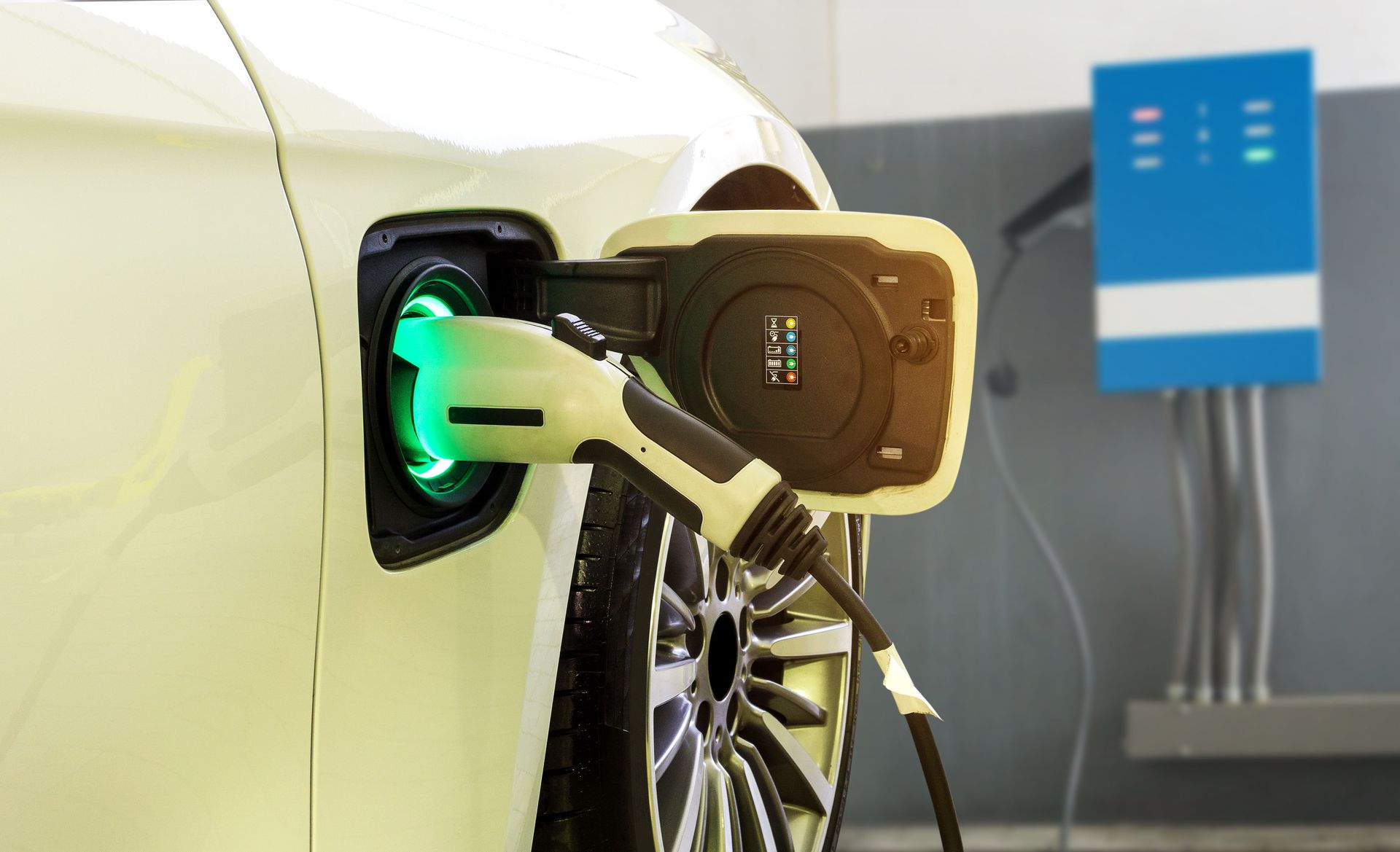
Modern electrical panels are designed to accommodate larger and more varied energy demands. They can provide better circuit organization, improved safety features, and room for future upgrades. Whether a homeowner is remodeling, adding appliances, or planning for electric vehicle charging, the panel must be able to support those changes.
Improving Energy Efficiency
A well-maintained panel can contribute to better energy management. While the panel does not reduce energy use by itself, it helps ensure power is distributed properly throughout the home. Loose connections, outdated breakers, or overloaded circuits can create inefficiencies and safety concerns. Addressing these issues allows the electrical system to operate more reliably.
Smart panel technology can also provide homeowners with detailed information about energy use. By tracking which circuits consume the most power, homeowners can adjust habits, identify inefficient appliances, and make better decisions about upgrades. These insights may help reduce utility bills over time while supporting a more efficient household.
Renewable Energy Integration
As more homeowners invest in solar systems and battery storage, electrical panels have become increasingly important. Renewable energy sources generate power differently than traditional utility connections, requiring precise management of incoming and outgoing electricity. The panel serves as the central point where this power is safely regulated.
Efficient electrical panels help balance power from solar arrays, battery backups, and the utility grid. This ensures reliable electricity regardless of weather or grid interruptions. As renewable energy adoption grows, panels will continue playing a central role in energy resilience.
Smart Home Compatibility
Modern smart homes depend on stable and organized power distribution. Connected thermostats, lighting systems, security devices, and automated appliances all rely on consistent electricity to function correctly. Poor power distribution can affect system performance and reliability.
Advanced electrical panels support these technologies by enabling more intelligent power management. Some systems allow homeowners to monitor circuits remotely, prioritize essential devices, and automate energy usage based on schedules or demand. This added control improves both convenience and efficiency.
Warning Signs That Need Attention
Homeowners should pay attention to signs that a panel may need service. Frequent breaker trips, buzzing sounds, burning smells, rust, corrosion, or visible damage should be addressed quickly. These problems may indicate loose wiring, moisture intrusion, overloaded circuits, or failing components.
Persistent electrical issues should never be ignored. Flickering lights, outlets that stop working, or appliances that lose power can point to deeper problems inside the panel or wiring system. A licensed electrician can inspect panels, identify the source of the issue, and recommend repairs or replacement when necessary.
When an Upgrade May Be Needed
An upgrade may be necessary when a panel no longer meets the home’s electrical needs. Older homes may still have outdated equipment, limited capacity, or components that do not meet current safety standards. If homeowners are adding a major appliance, finishing a basement, building an addition, or installing new technology, the panel should be evaluated first.
Upgrading panels can improve safety, reliability, and long-term flexibility. A newer panel may provide additional breaker spaces, better overload protection, and compatibility with modern systems. Though the upgrade requires an upfront investment, it can reduce risk and make the home better prepared for future energy demands.
The Upgrade Process
Replacing a panel begins with a professional assessment of the home’s energy requirements. Electricians determine whether the current amperage is sufficient and identify code compliance issues. They then recommend an appropriately sized replacement system.
The installation process typically involves disconnecting power, removing the old panel, installing the new unit, reconnecting circuits, and thoroughly testing the system. Permits and inspections are often required to ensure the work meets local regulations and safety standards.
The Importance of Professional Installation
Electrical panel work should always be handled by qualified professionals. Installation and replacement involve high-voltage connections, local code requirements, and careful coordination with utility service. Mistakes can create serious hazards, including shock, fire, and equipment damage.
Professional electricians understand how to size panels correctly, secure permits, connect circuits, and test the system after installation. They also ensure the work complies with current safety standards. This protects the household and provides peace of mind that the system is built to perform reliably.
Routine inspections, timely repairs, and thoughtful upgrades help keep electrical panels performing as intended. Whether the goal is improved safety, better energy management, or preparation for modern technology, a dependable panel remains essential to a well-functioning home. Contact Nordeast Electric today and learn more about our electric panel services.