March 31, 2026
Outdated electrical panels can create significant issues that affect both the safety and functionality of a building’s electrical system. As technology and energy demands evolve, older panels often struggle to meet modern requirements, leading to inefficiencies, safety risks, and costly repairs. Understanding the challenges posed by outdated panels highlights why timely electrical panel upgrades are essential for homeowners, business owners, and facility managers who want safe, reliable, and efficient power distribution throughout their properties.
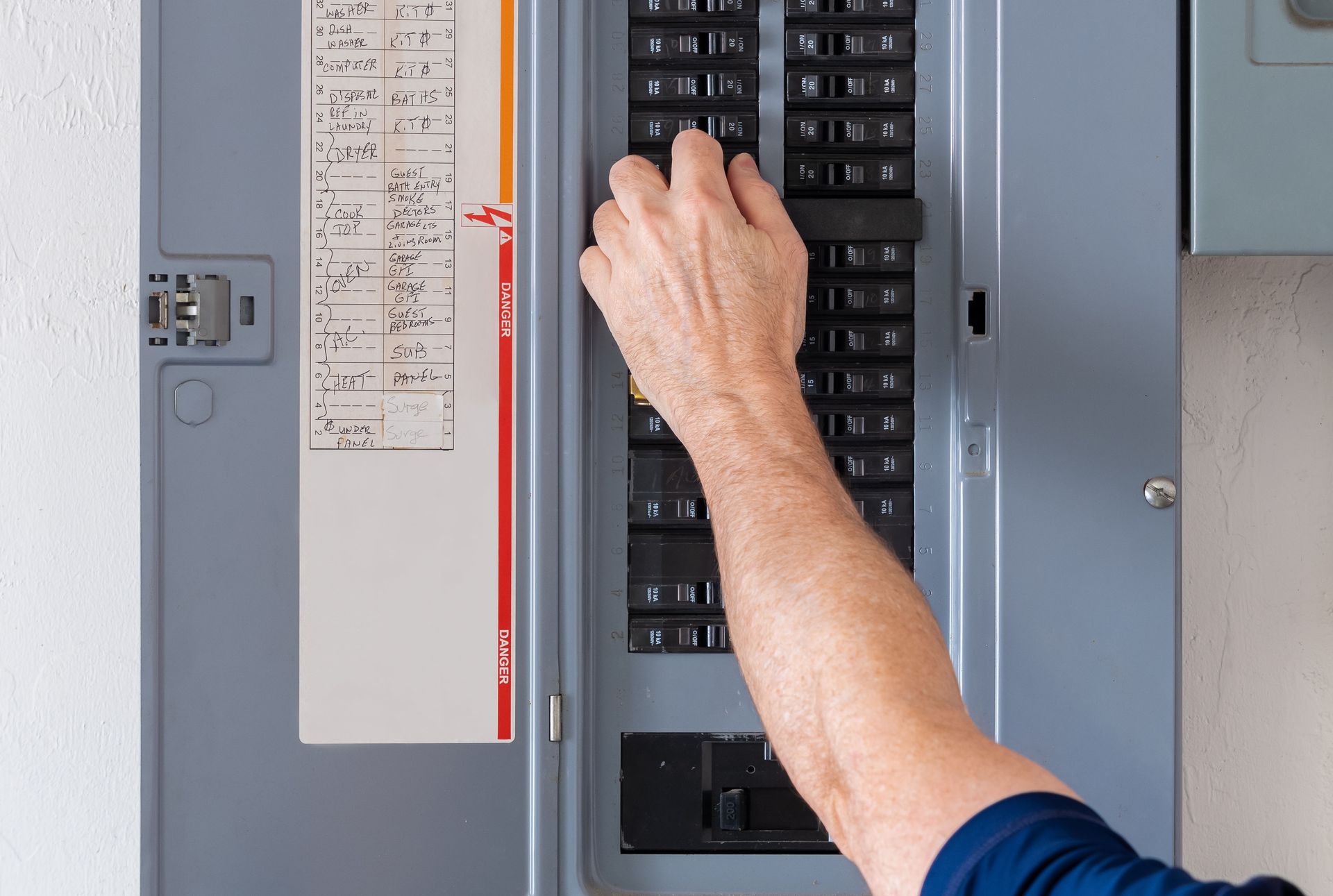
Electrical panels play a central role in distributing electricity to every circuit in a building. When these panels are outdated, they may fail to accommodate modern appliances, devices, and smart systems, leading to frequent disruptions and hazards. According to HomeAdvisor, an electrical breaker panel can last 25 to 40 years when it receives proper maintenance and annual inspections, emphasizing the importance of monitoring and upgrading panels before serious issues arise.
1. Reduce Safety Hazards
Outdated panels present numerous safety risks, particularly when materials degrade and electrical loads exceed the system’s design. Older panels may overheat under modern energy demands, increasing the likelihood of electrical fires. The metal and insulation in older panels can deteriorate, further heightening the risk of malfunction. Electrical panel upgrades ensure that the system can safely handle current energy needs while reducing the potential for dangerous incidents.
Circuit breakers within old panels often lose reliability over time. If a breaker fails to trip during an overload, the system can overheat, putting property and lives at risk. Upgrading to a modern panel replaces these aging components with mechanisms designed to respond effectively to surges, safeguarding both users and property.
Older panels may also lack sufficient capacity for today’s energy-intensive appliances, such as electric car chargers, HVAC units, and high-powered electronics. An underpowered panel can cause brownouts or frequent outages, disrupting everyday activities. Electrical panel upgrades provide the higher capacity needed to distribute energy efficiently and safely.
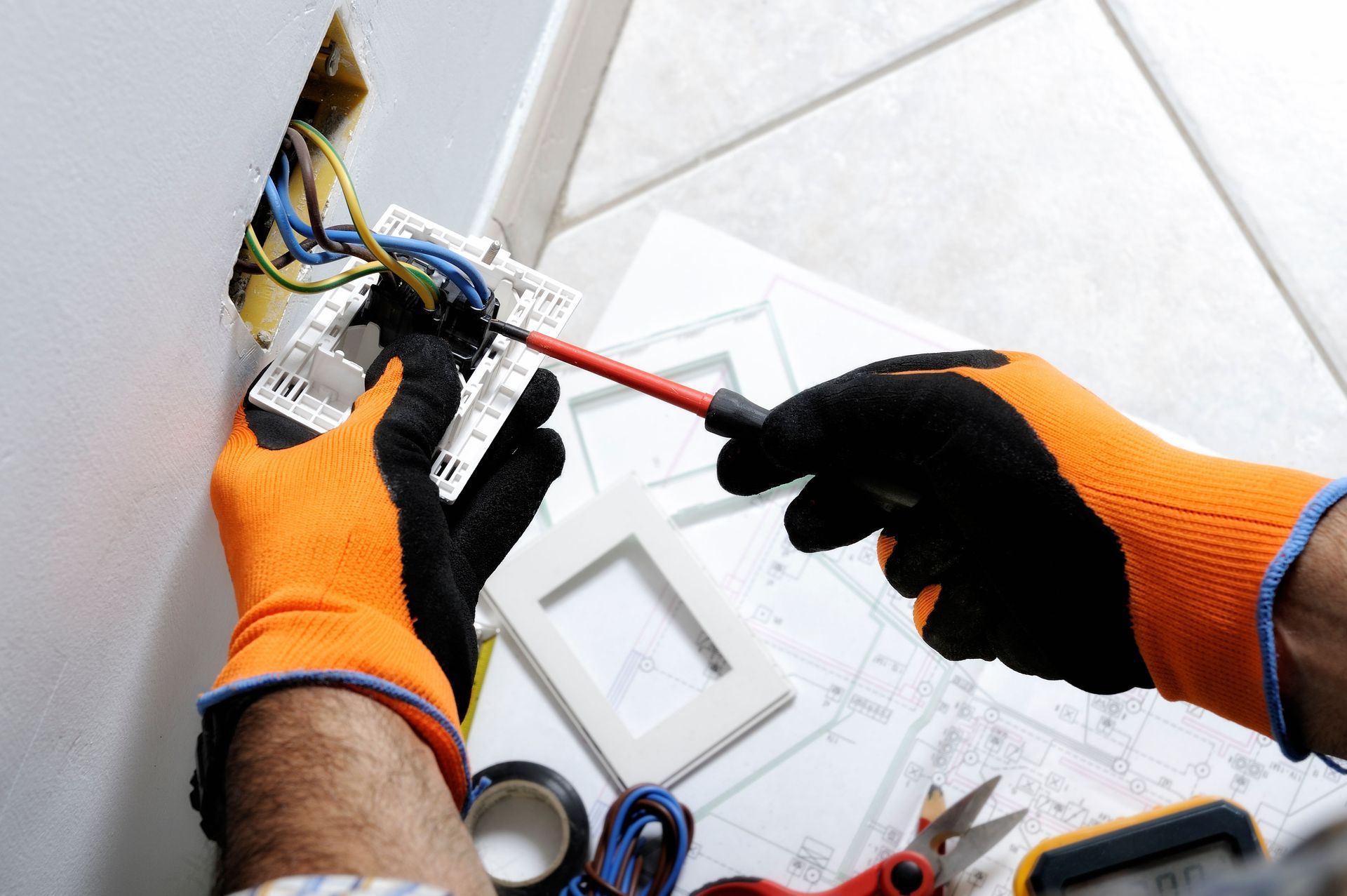
In addition, outdated wiring often accompanies older panels. Insulation can weaken, and connections may loosen over time, increasing the likelihood of overheating or short circuits. Upgrading both panels and wiring creates a cohesive system designed for modern electrical loads, minimizing safety risks.
2. Improve Efficiency and Performance
One of the most common issues with outdated panels is frequent breaker trips, which interrupt power and create operational inefficiencies. These trips often result from an overloaded system struggling to handle modern energy demands. Replacing an old panel with a modern one provides reliable power delivery, reducing disruptions and protecting sensitive electronics.
Older panels may also cause power fluctuations, including flickering lights or inconsistent voltage levels. Such instability can damage electronics, reduce productivity, and create frustration in both residential and commercial environments. Electrical panel upgrades stabilize power supply, ensuring consistent performance for all devices.
Limited circuit capacity in outdated systems can further hinder daily operations. Modern homes and businesses often require additional circuits for new devices, appliances, or equipment. Upgrading to a panel with more circuits prevents overloads and supports future expansions without compromising functionality.
Energy efficiency is another critical concern. Older panels often operate less efficiently, leading to higher electricity bills and a larger environmental footprint. Electrical panel upgrades enhance efficiency, reducing energy consumption while promoting sustainability. Upgrading to a modern panel ensures that energy is distributed more effectively throughout the property. Improved efficiency can extend the lifespan of appliances and reduce the frequency of costly repairs.
3. Lower Maintenance Costs
Older panels often demand frequent repairs due to wear and obsolete components. These recurring maintenance needs increase costs and can disrupt daily operations. Investing in electrical panel upgrades reduces the frequency of repairs, saving money over time while providing peace of mind.
Aging parts may also become unavailable, forcing property owners to either source hard-to-find components or replace the entire panel. Modern electrical panels include readily available parts, reducing labor intensity and repair expenses.
Outdated electrical systems can lead to higher insurance premiums, as insurers recognize the increased fire and failure risks. Upgrading panels not only enhances safety but can also lower insurance costs, providing financial benefits alongside improved reliability.
Troubleshooting old systems is another cost factor. Obsolete designs make diagnosing issues more difficult and often require specialized, expensive labor. Electrical panel upgrades simplify system management and reduce ongoing diagnostic costs. Modern panels provide clearer diagnostics, making it easier to identify problems quickly. This efficiency minimizes downtime and prevents small issues from escalating into major repairs.
4. Support Home Renovations
Homeowners planning expansions or remodels often encounter limitations with old panels. Insufficient capacity can prevent adding new rooms, extensions, or modern appliances. Electrical panel upgrades remove these barriers, enabling renovations while ensuring safety and functionality.
Technology-driven appliance upgrades can strain older systems, leading to frequent breaker trips or underperformance. Modern panels accommodate advanced appliances, allowing homeowners to enjoy convenience and energy efficiency without compromise. Upgrading the electrical panel ensures consistent power delivery for all devices. This improvement prevents interruptions that could damage sensitive electronics or reduce appliance lifespan.
Luxury amenities like pools, hot tubs, or elaborate lighting setups require additional electrical capacity. Outdated panels may block these additions, limiting lifestyle improvements and affecting property value. Upgrades ensure that homeowners can integrate modern amenities seamlessly.
An old electrical system can negatively impact home value, as potential buyers consider the risks and costs associated with outdated infrastructure. Upgrading panels enhances property appeal, supporting resale value while ensuring long-term safety and reliability.
5. Address Commercial Building Challenges
Downtime due to electrical failures in commercial spaces can result in significant revenue loss. Outdated panels increase the risk of unexpected outages, disrupting operations and impacting profitability. Upgrades ensure reliable power delivery, minimizing costly interruptions.
Modern commercial equipment often demands consistent and substantial electrical support. Older panels may be incompatible, reducing efficiency and limiting business growth. Electrical panel upgrades provide the necessary capacity and compatibility to support modern operations.
Failure to maintain current systems can lead to safety violations, fines, and reputational damage. Upgrading panels ensures compliance with regulations, protecting employees, customers, and business operations.
Expanding businesses may require additional power capacity that old panels cannot provide. Modern upgrades remove these barriers, enabling growth without electrical constraints.
6. Reduce Environmental Impact
Outdated electrical panels often consume more energy than modern systems for the same output, increasing both utility costs and carbon emissions. Upgrading panels enhances efficiency, aligning energy use with sustainability goals.
Older panels may also be incompatible with renewable energy sources like solar or wind systems. Modern electrical panel upgrades provide the flexibility to integrate clean energy solutions, supporting environmental initiatives and long-term savings.
Inefficient operation in old panels indirectly increases emissions by requiring more energy to perform basic functions. Modern panels reduce unnecessary energy use, contributing to a lower carbon footprint.
Frequent repairs and part replacements in outdated systems generate waste, including materials that may be hazardous to the environment. Upgrading reduces repair frequency, supporting sustainability by minimizing electronic waste.
Outdated electrical panels create a wide range of challenges, from safety hazards and inefficient performance to higher maintenance costs, renovation limitations, commercial setbacks, and environmental impacts. Electrical panel upgrades address these issues, providing enhanced safety, reliability, and energy efficiency while supporting modern technology and lifestyle needs. If you’re considering improving your home or business electrical system, we at Nordeast Electric are ready to help you implement effective upgrades that ensure long-term safety and performance.