July 27, 2026
The addition of a home car charging station marks a significant shift in how we approach transportation and energy use, providing profound implications for modern living. As electric vehicles (EVs) gain momentum, these personal charging stations are reshaping lifestyles by enhancing convenience, promoting sustainability, and offering economic benefits. Through this detailed exploration, we'll uncover how these charging solutions support contemporary lifestyles across various dimensions.
Convenience and Accessibility
Eliminating Trips to Public Charging Stations
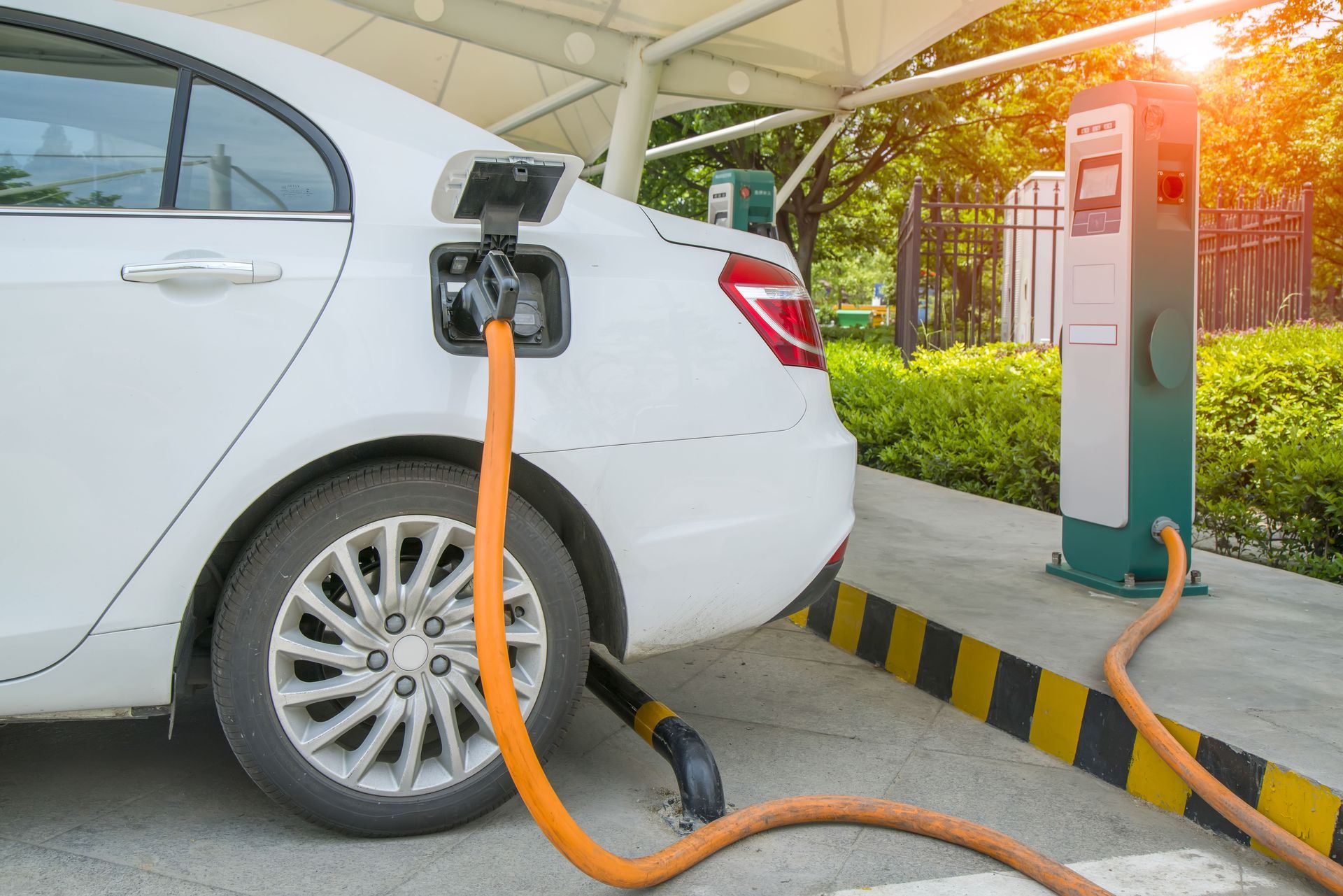
One of the most transformative benefits of a home car charging station is the reduction in trips to public charging stations. Where traditional vehicle owners spend time locating and using public gas stations, EV owners can charge their vehicles at home, bypassing the need for additional travel solely for fuel. This increased convenience means less time is spent waiting in line at public stations, offering more flexibility for daily routines. Additionally, EV owners enjoy the luxury of having a 'full tank' every morning, a significant departure from the conventional refueling process. This shift not only saves time but also reduces the logistical complexity associated with electric vehicle ownership.
Flexible Charging Times
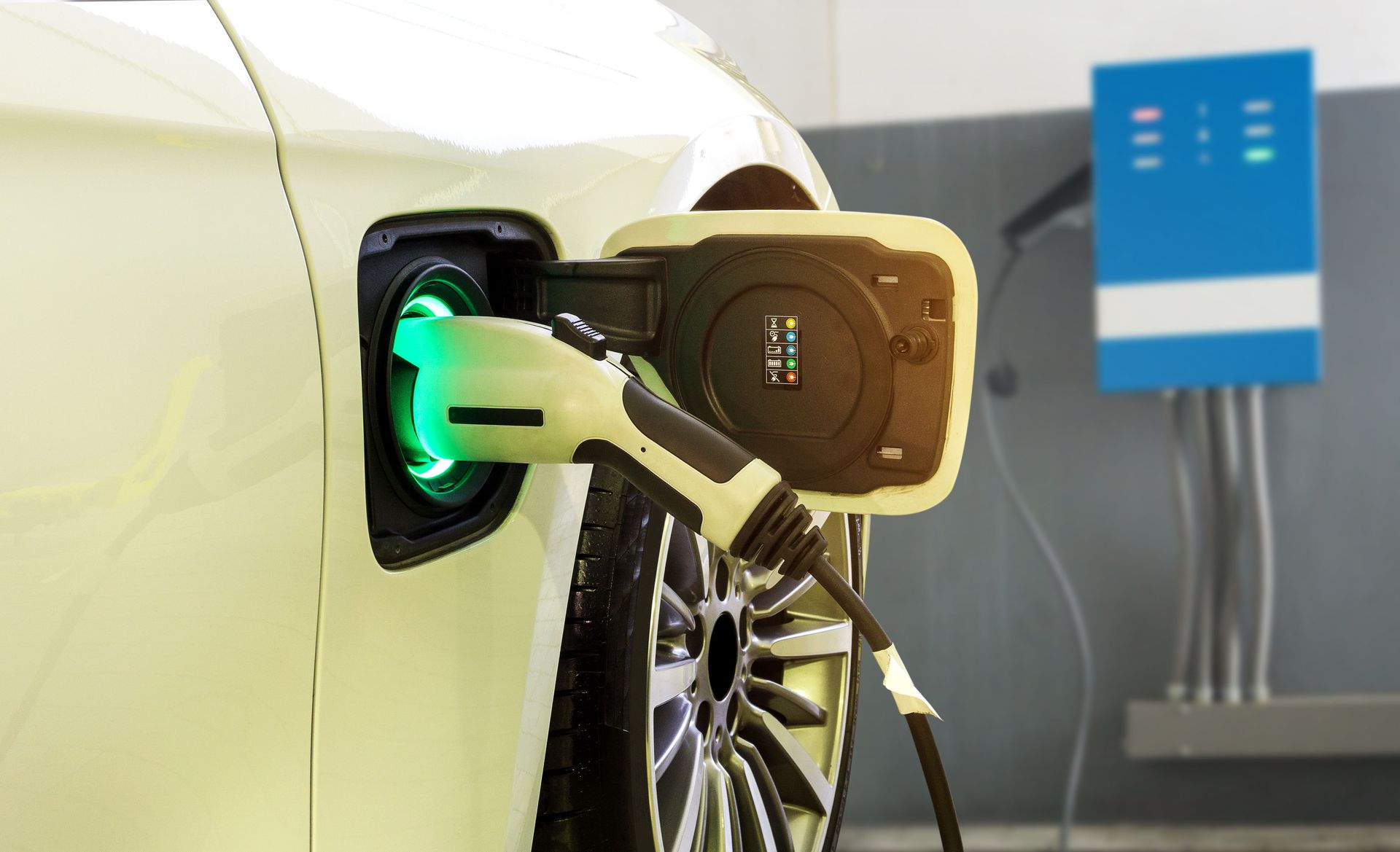
Home charging stations empower users with the flexibility to charge their vehicles at any time that suits them, particularly overnight when electricity demands—and often prices—are lower. This flexibility ensures that the busy schedules of modern lifestyles are accommodated without compromising mobility. Unlike public stations bound by location and availability constraints, home chargers provide the luxury of setting a customized charging schedule. This adaptability also helps optimize energy usage, aligning charging activity with the resident's daily patterns and utility peak hours. As a result, home charging stations contribute to seamless day-to-day operation while supporting energy conservation efforts.
Integration with Smart Home Systems
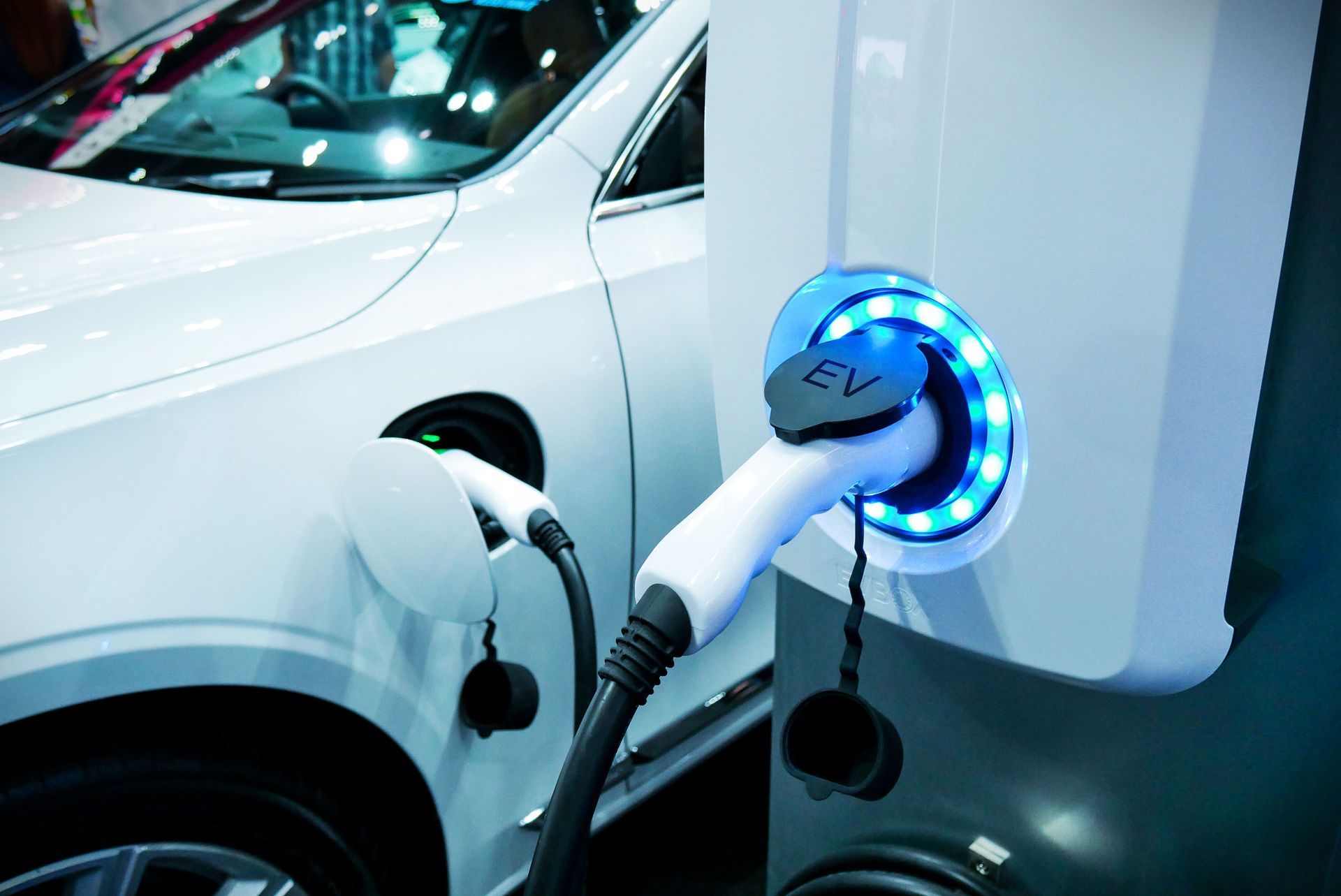
The integration of a home car charging station with smart home systems represents a leading-edge innovation that enhances the user experience. Sophisticated systems allow EV owners to manage their charging units via mobile apps, facilitating real-time monitoring and scheduling. Linking these charging units with other smart devices further extends control by enabling automated charging processes that align with household energy strategies. This synergy ensures that battery utilization is optimized, costs are minimized, and environmental impact is kept low. In essence, integrating EV charging into the broader smart home ecosystem exemplifies the convergence of technology to support sustainable living.
Increased Driving Range Confidence
Owning a home car charging station significantly reduces range anxiety, a common concern among potential EV buyers. With consistent access to a charging solution, drivers gain confidence in their vehicle's range capabilities, encouraging the use of EVs for longer distances. This assurance parallels the traditional vehicle experience, where fuel availability isn’t a primary concern. Moreover, the reliability of home charging acts as a springboard for experimentation with new routes and journeys, ultimately promoting broader use of the vehicle. As drivers experience these benefits firsthand, the collective anxiety surrounding EV range is likely to diminish over time.
Environmental Impact
Reduction in Carbon Footprint
Electric vehicles, when charged at home, significantly reduce the carbon footprint compared to traditional internal combustion engine vehicles. Charging from home, particularly when paired with renewable energy sources, cuts down on the emissions generated by burning fossil fuels. This reduction aligns with global goals to lower greenhouse gas emissions significantly. By choosing an EV with home charging, owners contribute to a broader societal shift toward minimized environmental impact in transportation. As EV adoption grows, the cumulative effect of reduced carbon emissions becomes substantial, aiding efforts to counter climate change.
Promotion of Renewable Energy Use
One of the most promising aspects of home charging stations is their ability to interface seamlessly with renewable energy setups. Owners often link their chargers to home solar power systems, utilizing clean energy instead of grid electricity. By doing so, these households not only support the adoption of sustainable energy but also further alleviate the environmental impact of car charging. This integration reinforces the importance of renewable energy advancements, incentivizing more homeowners to consider solar or wind power options. Thus, home charging stations act as facilitators in the broader trend toward renewable energy reliance.
Encouragement for Sustainable Living
The adoption of a
home car charging station champions the movement towards greener, more sustainable household practices. Owners of electric vehicles naturally become ambassadors for sustainable living, spurred by the benefits of clean energy and reduced emissions. As these practices become the norm, social awareness around environmental responsibility strengthens, fostering communities with sustainability ingrained in their culture. This communal shift encourages unbiased examination of household energy use and waste, advancing broader environmental sustainability. Over time, home charging systems contribute to a growing momentum towards eco-conscious lifestyle changes.
Contribution to Cleaner Urban Environments
Dense urban environments face significant challenges from traffic congestion and pollution, issues that EVs and home charging stations help mitigate. Unlike traditional vehicles, zero-emission EVs paired with home charging lead to drastically reduced urban air pollutants. Since home charging allows full utilization of electric vehicles, urban residents see cleaner air and a healthier atmosphere. As EV adoption increases, particularly in crowded cities, the cumulative benefit will likely lead to noticeable improvements in air quality. These developments emphasize the role of home charging in making urban centers more livable and sustainable for their inhabitants.
Educating Communities on Environmental Benefits
Adopting home charging stations further provides an educational platform for communities to understand the tangible benefits of reduced reliance on fossil fuels. As more residents experience the advantages of EV ownership firsthand, they subsequently become advocates, sharing insights on the environmental and economic benefits. This grassroots education fosters broader community understanding of sustainable technologies, sparking discussions and initiatives focused on green transformations. Consequently, the mushrooming of knowledge and awareness fuels the momentum for an environmentally conscious shift. As EV usage normalizes, this advocacy plays a critical role in promoting the critical adoption of sustainable practices.
Driving Future Adoption of Electric Vehicles
Overcoming Barriers to EV Adoption
Home charging infrastructure directly addresses prevailing barriers to widespread EV uptake, easing perceived complexities associated with ownership. The assurance of readily accessible personal charging solutions empowers potential buyers by negating range anxiety concerns prevalent among outsiders. Nationwide, enhanced private access clears core adoption hurdles while directly complementing electric initiatives targeting residential avenues. Successful deployment is reflected by the Q1 2024 report noting a 3.2% growth in private EV charging ports, according to the U.S. Department of Energy.
Residential electric vehicle charging offers far more than a convenient place to plug in a car. It supports modern lifestyles by making daily transportation easier, reducing reliance on public charging locations, and helping drivers keep their vehicles ready for work, errands, appointments, and longer trips. With the ability to charge overnight or during off-peak hours, homeowners can incorporate vehicle charging into their regular routines without making unnecessary stops or rearranging their schedules.
Installing residential charging equipment can also support long-term financial and environmental goals. Charging at home may lower the cost of powering an electric vehicle, especially when homeowners can take advantage of reduced electricity rates or pair the system with renewable energy. At the same time, convenient access to charging encourages greater use of electric transportation, which can help reduce fuel consumption and vehicle-related emissions.
As charging technology continues to improve, homeowners can benefit from smart scheduling, mobile monitoring, faster charging capabilities, and better integration with household energy systems. These features make it easier to track energy use, control charging times, and prepare for future advances in electric vehicle technology. A properly selected and professionally installed system can also become an appealing property feature as more buyers begin looking for homes equipped to support electric vehicles.
Ultimately, residential EV charging provides the convenience, flexibility, and technology needed to meet the changing demands of modern transportation. Whether a homeowner is purchasing a first electric vehicle or preparing for future mobility needs, reliable charging equipment creates a practical foundation for a more efficient and sustainable lifestyle. Call Nordeast Electric today for more.