November 11, 2026
Many older homes still rely on fuse boxes that were designed for electrical demands far different from those of modern households. While these systems may continue to provide basic power, they can struggle to support today's appliances, electronics, and additional electrical equipment. Aging components and limited capacity can also create safety concerns that homeowners should not ignore. An electrical panel upgrade can help bring an outdated system up to current household needs while improving electrical safety and reliability.
Recognizing the Limitations of Older Fuse Boxes
Fuse boxes were commonly installed in homes built before circuit breaker panels became standard. Instead of using resettable breakers, these systems rely on individual fuses that melt when a circuit experiences excessive electrical current. This interrupts the flow of electricity and helps protect the wiring from overheating.
Although fuses can provide circuit protection when properly sized and maintained, older systems often have limitations that make them unsuitable for modern electrical demands. Many were designed when homes had fewer appliances, smaller electronics, and less overall electricity use. Today's households may operate several high-demand devices simultaneously, placing additional pressure on an older electrical system.
Another concern is the condition of the equipment itself. Decades of use can contribute to worn connections, deteriorating components, and other problems that may not be immediately visible. An electrical panel upgrade can replace outdated equipment with a modern system that meets current electrical requirements.
Identifying the Warning Signs of Electrical Problems
An aging fuse box may show several signs that it is no longer meeting a household's electrical needs. Some warning signs are noticeable during everyday activities, while others require a professional inspection.
Homeowners should watch for:
- Frequently Blown Fuses: Repeatedly replacing blown fuses may indicate overloaded circuits, wiring problems, or an electrical system that cannot handle the household's demands.
- Burning Smells or Discoloration: A burning odor, scorch marks, or discoloration around the fuse box can indicate overheating and should be treated as an urgent safety concern.
- Buzzing or Crackling Sounds: Unusual sounds from electrical equipment may indicate loose connections or other potentially dangerous conditions.
- Warm Equipment: A fuse box or surrounding surface that feels unusually warm may indicate excessive heat or an internal problem.
- Limited Circuit Capacity: A shortage of available circuits can make it difficult to safely add appliances, lighting, or other electrical equipment.
A professional evaluation can help determine whether these symptoms stem from an overloaded circuit, a damaged component, or a broader service limitation. When recurring problems occur across multiple circuits, an electrical panel upgrade may be necessary to provide adequate capacity and reliable protection, rather than relying on repeated fuse replacements.
If a homeowner notices burning smells, smoke, sparks, or signs of overheating, they should avoid touching the equipment and promptly contact a qualified electrician. If there is smoke or an active fire, occupants should leave the home and contact emergency services.
Understanding the Safety Risks of Outdated Equipment
One of the most important reasons to replace an outdated fuse box is the potential for electrical hazards. Aging equipment may have deteriorated connections, damaged components, or other defects that interfere with its ability to protect household wiring. When excessive current flows through a circuit, inadequate protection can increase the risk of overheating and electrical fires.
Improperly sized replacement fuses are another concern. A fuse must match the circuit's intended rating to provide appropriate protection. Installing a higher-rated fuse to prevent repeated interruptions can allow too much current to flow through wiring not designed to handle it. This can create dangerous overheating conditions.
Some older fuse boxes may also lack features and capacity expected of modern electrical systems. However, age alone does not establish whether a particular installation is unsafe. A licensed electrician can evaluate the equipment, identify deficiencies, and determine whether an electrical panel upgrade is necessary to improve protection and meet applicable electrical codes.
Accommodating Modern Household Electrical Demands
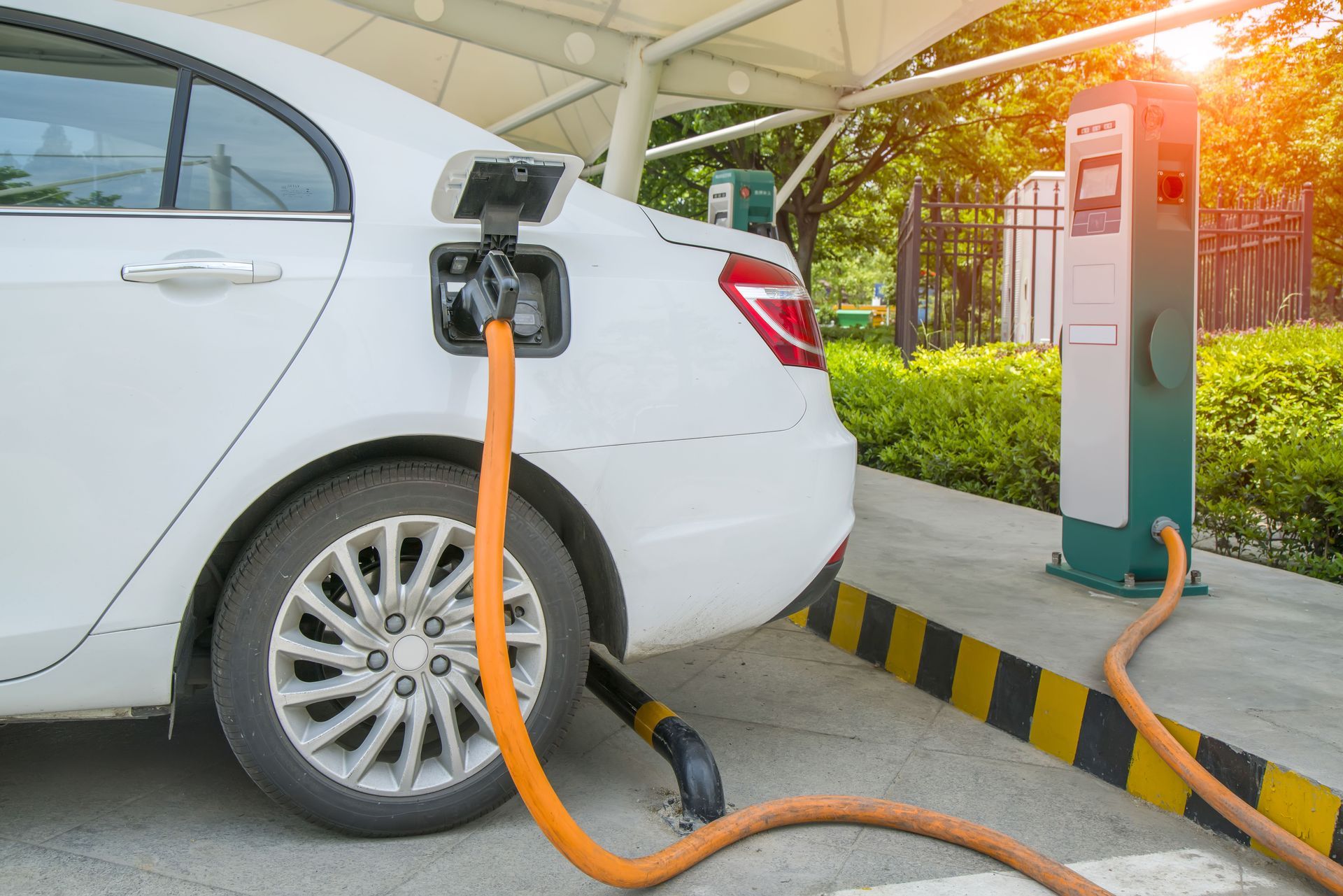
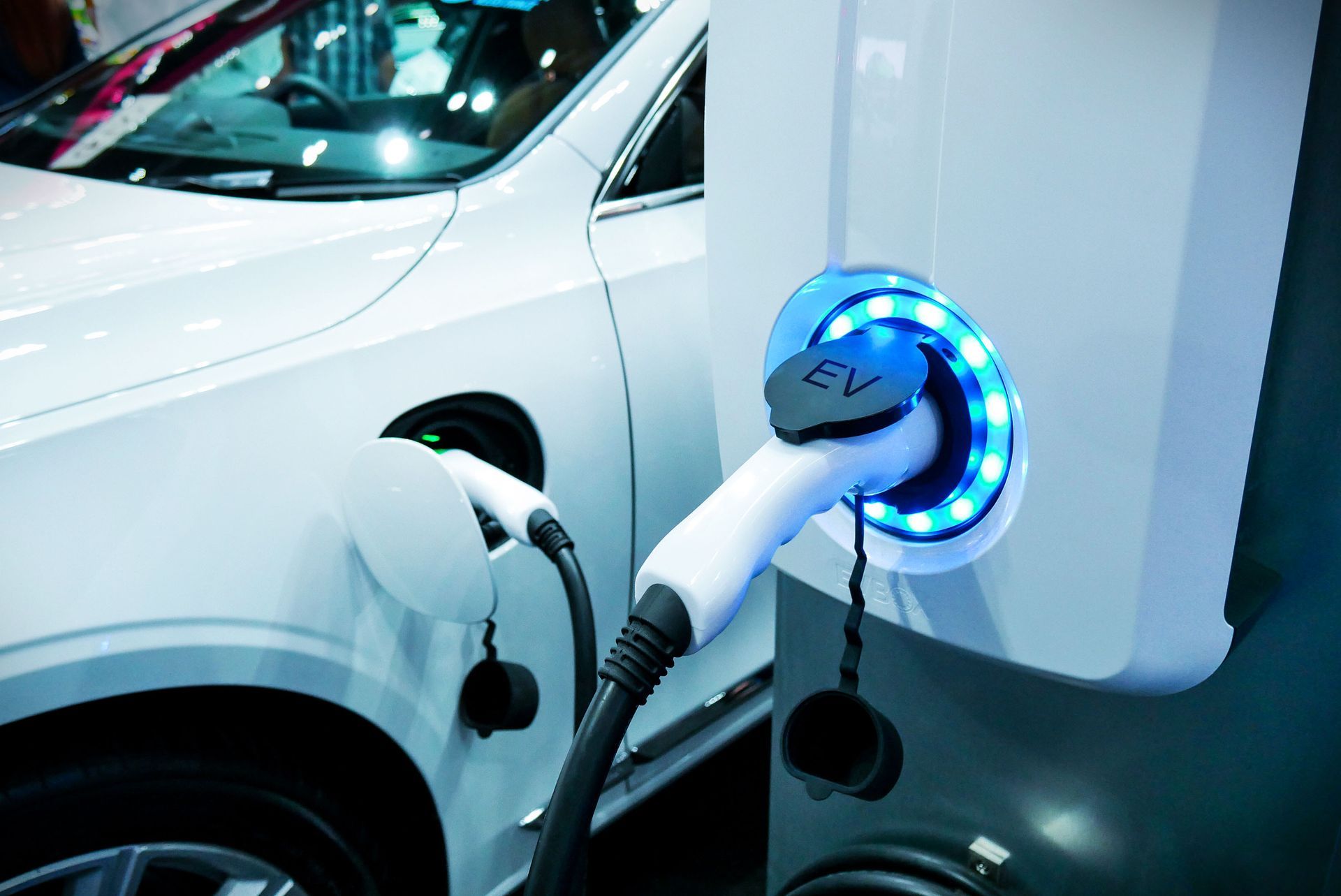
Modern homes depend on more electrical equipment than older properties were originally designed to support. Refrigerators, electric ranges, heating and cooling systems, computers, entertainment equipment, and other appliances all contribute to household demand. Adding an electric vehicle charger or upgrading major appliances can further increase those requirements.
An older fuse box may have limited capacity or too few circuits to support these additions. Homeowners might find themselves repeatedly replacing fuses or struggling to determine how to accommodate new equipment. Attempting to work around these limitations without evaluating the electrical system can create unnecessary risks.
An electrical panel upgrade allows an electrician to assess the home's current and anticipated electrical needs. Depending on the property's requirements, the project may involve installing a higher-capacity panel and adding or reorganizing circuits. The appropriate capacity should be determined through a professional evaluation rather than assuming every home needs the same solution.
Preparing for a Professional Panel Replacement
Replacing a fuse box involves more than removing old equipment and installing a new panel. An electrician must evaluate the existing electrical service, wiring, grounding, and household requirements to determine the appropriate replacement.
The process may include several steps:
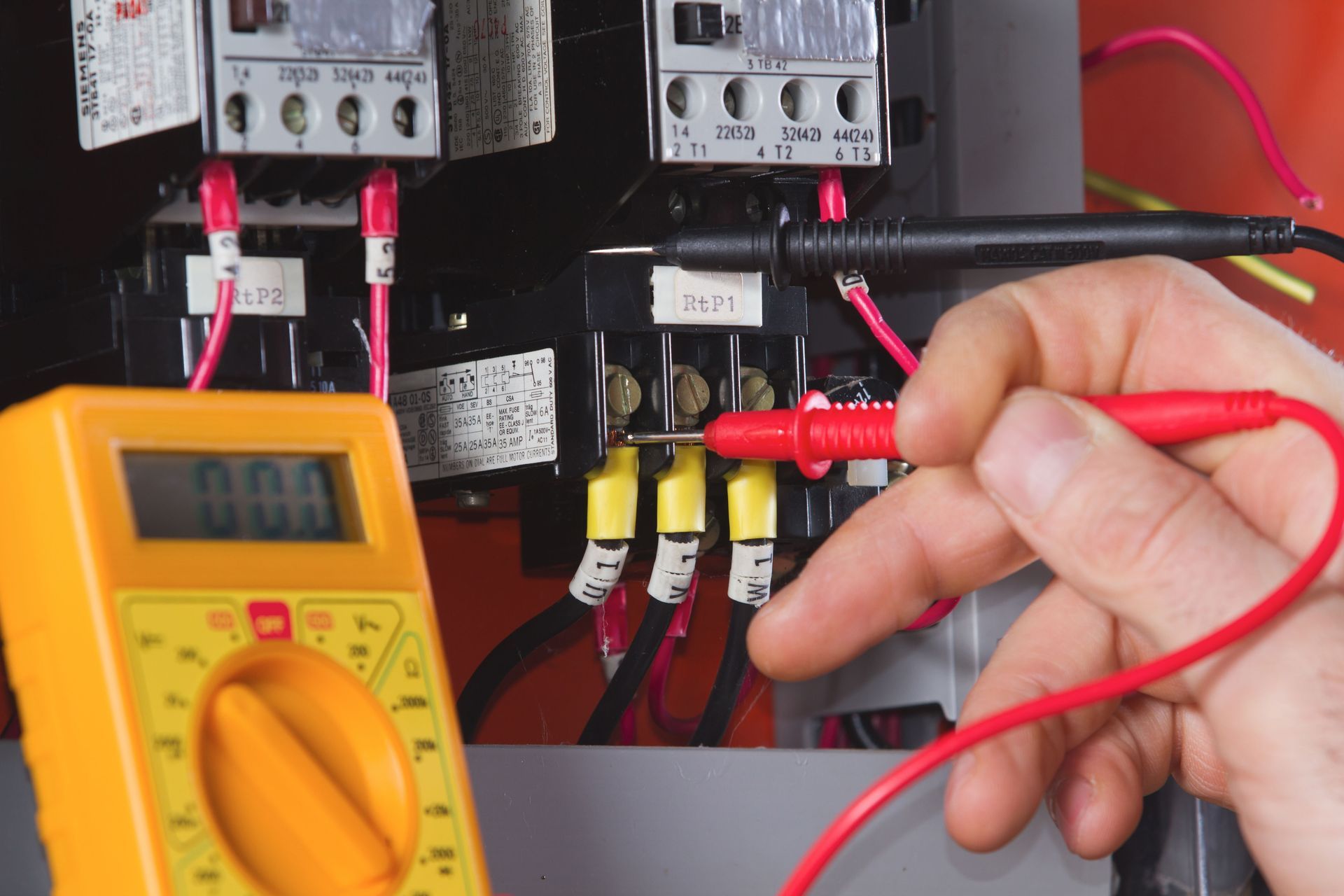
- Inspecting the Existing System: The electrician examines the fuse box, wiring connections, service capacity, and other components to identify potential problems.
- Determining Electrical Requirements: Current appliances and anticipated additions are considered when selecting an appropriate panel capacity.
- Planning the Installation: The electrician determines what equipment, materials, permits, and other work may be necessary for the project.
- Installing the Replacement Panel: The existing equipment is replaced, and circuits are connected and labeled appropriately.
- Testing the System: The completed installation is evaluated to confirm that the equipment operates properly and meets applicable requirements.
According to HomeGuide, replacing an electrical panel typically takes 8 to 10 hours and may include a 200-amp system, a new panel with a main breaker and 10 circuit breakers, labor, and necessary materials. Actual project timelines and equipment requirements can vary depending on the home's existing electrical service and the complexity of the installation.
Choosing Qualified Electricians for the Upgrade
An electrical panel upgrade requires specialized knowledge and should not be treated as a do-it-yourself project. Working with electrical service equipment can expose homeowners to dangerous voltages, even when certain circuits have been switched off. A qualified electrician understands how to evaluate the existing installation, select appropriate equipment, and complete the work safely.
Homeowners should look for licensed and insured professionals with experience in residential electrical systems. It is also helpful to request a clear estimate that explains the proposed work, expected timeline, and any additional repairs that may be necessary. Asking questions about permits, inspections, and warranties can provide a better understanding of what the project involves. An experienced electrician can also explain whether an electrical panel upgrade is appropriate for the home's current capacity and future electrical needs.
Nordeast Electric provides residential electrical services, including service panel upgrades, panel replacement, and electrical inspections. Its licensed and registered electricians serve Minneapolis and the surrounding Twin Cities area, helping homeowners address aging electrical systems and changing household requirements.
Protecting Your Home With a Modern Electrical System
An outdated fuse box may continue operating, but that does not mean it is suitable for a home's current electrical needs. Limited capacity, aging components, and improper maintenance can create problems that worsen over time. Replacing outdated equipment can improve the electrical system's ability to support modern appliances while helping address potential safety concerns.
Homeowners who are experiencing warning signs or planning significant electrical additions should have their systems evaluated by a professional. Contact Nordeast Electric to discuss an electrical panel upgrade and determine the right solution for your home's electrical needs.